Movie Finatics The Place for Movie Lovers
Related Articles



Brody sits at the dinner table while his youngest son copies him. The boy mimics his gestures, then the tired expression on his face. Brody notices and starts playing along. When he asks for a kiss, the boy wants to know why. His father answers, “Because I need it.”
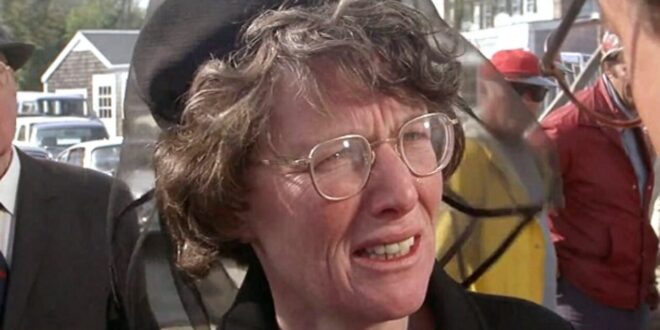
It’s a small, affectionate exchange, but something awful hangs over it. Earlier, Mrs. Kintner slapped Brody and accused him of letting her son swim despite knowing about the shark. Now he sits with his own child, accepting a little comfort after a day he cannot put behind him. Scheider gives the scene its weight through his tiredness and the way he responds to the boy.
Brody could explain that he tried to close the beaches. After all, the mayor intervened, and the medical examiner changed his opinion about the first death. We watched those things happen, so we want to give Brody the benefit of the doubt. Yet the mayor persuaded him to back down when he believed people faced a serious danger. When Vaughn dismisses Mrs. Kintner’s accusation, Brody rejects his attempt to excuse him. Although he wanted to protect the swimmers, he knows that his intentions offer her little comfort.
That guilt follows him home. It also makes his affection for his son difficult to watch without thinking about Alex.
Amity already demands plenty from its police chief before the shark arrives. Residents bring complaints to his desk and interrupt him with local grievances. Meanwhile, Spielberg fills the scenes with overlapping conversations and people competing for attention. Brody has entered a town with habits and relationships that long predate him. Although he carries the badge, he still needs cooperation from people who know one another better than they know him.
Vaughn uses that advantage with an ease that makes him infuriating. Murray Hamilton plays a politician who can make his preferred decision sound like common sense. Because Brody has never spent a summer in Amity, the mayor treats his concern as a newcomer’s overreaction. He reminds the chief about the tourist trade and the consequences of closing the beaches. Gradually, their conversation moves away from the dead woman and toward the trouble Brody might cause by responding to her death.
The town’s dependence on tourism gives Vaughn an argument people understand. Losing the summer season would threaten livelihoods, so residents have good reason to worry about a closure. However, that worry tells them nothing about the safety of the water. Vaughn has no convincing way to remove the danger. Instead, he makes the warning sound unreasonable until keeping the beaches open seems like the practical choice. The swimmers carry the risk, while the mayor presents his decision as a service to the community.
Much of this happens through small changes in the conversation. Vaughn proposes a boating accident as another explanation for the first death. Then the medical examiner retreats from his original finding. The mayor also raises questions about Brody’s authority to close the beaches. As those objections accumulate, the chief loses his resolve. Each speaker helps make delay sound reasonable, even though nobody has established that the water is safe.
Hooper has little patience for this process. Richard Dreyfuss makes him funny and abrasive, sometimes within the same exchange. Because he has examined the victim’s remains, he expects his findings to carry weight. When the fishermen bring in a shark, however, his doubts interrupt the town’s relief. Its bite does not match the wounds. He wants to investigate further, but Vaughn already wants to announce that the crisis has ended.
Later, near the defaced Amity billboard, Vaughn questions Hooper’s motives. He suggests that the scientist wants recognition for discovering the shark. Hooper hardly lacks an ego, and Dreyfuss lets us see how much he dislikes the mayor’s condescension. Still, Vaughn’s suspicion gives him an excuse to dismiss the findings without answering them. The argument becomes a dispute about Hooper’s character while the danger offshore continues.
Spielberg makes that danger painfully immediate when Brody watches the beach. Visitors keep drawing his attention away from the swimmers, and passing figures block his view. Harmless splashes demand a second look. Scheider’s tension holds the sequence together because he makes the effort of watching everyone seem exhausting. Then the shark attacks Alex Kintner. As Brody realizes what has happened, the famous shot stretches the background around his stricken face. He has watched the water closely and still failed to protect the boy.
We struggle with the town’s reassurances because we have already seen Chrissie die. Brody lacks that certainty, although he has enough reason to suspect a shark and take precautions. He also wants to behave reasonably, get along with his colleagues and trust their judgment. Those ordinary impulses make his hesitation believable. Scheider gives us a man who wants to do his job well but finds it difficult to insist that everyone else must change course.
After the Fourth of July attack, Vaughn finally loses his composure. At the hospital, he tells Brody that his own children were on the beach. Hamilton suddenly makes the mayor seem smaller and less sure of himself. I feel some pity for him, but Mrs. Kintner’s loss makes that sympathy uncomfortable. Her boy has already died. Only now, after his own family faced the danger, does Vaughn seem to grasp what his decision meant.
Brody, meanwhile, has stopped trying to persuade him through the promise of a better tourist season. He insists on hiring Quint and presses the mayor to sign. Scheider brings a welcome firmness to the exchange. However, the film has made us sit through too much grief to enjoy that change without remembering how long it took.
Once the Orca leaves shore, the film gives its characters room for a different kind of conflict. Hooper and Quint argue about experience, money and competence, yet they can still work together. Brody knows much less about the sea than either man, and his fear of the water makes every task harder. Nevertheless, he has chosen to join them. Watching him struggle aboard the boat gives his earlier guilt a practical consequence: he now accepts a danger he previously allowed other people to face.
By the time Brody kills the shark, Spielberg has made the relief feel overwhelming. We have spent so much time with this frightened, tired man that his survival matters beyond the success of the hunt. I want him to get home and sit at that dinner table again.
Mrs. Kintner, however, will go on without Alex. Brody’s family can welcome him back, while hers has lost someone who will never return. The earlier scene with his son keeps those two families close together. Even as the ending offers us relief, it leaves her loss somewhere that relief cannot reach.