Movie Finatics The Place for Movie Lovers
Related Articles


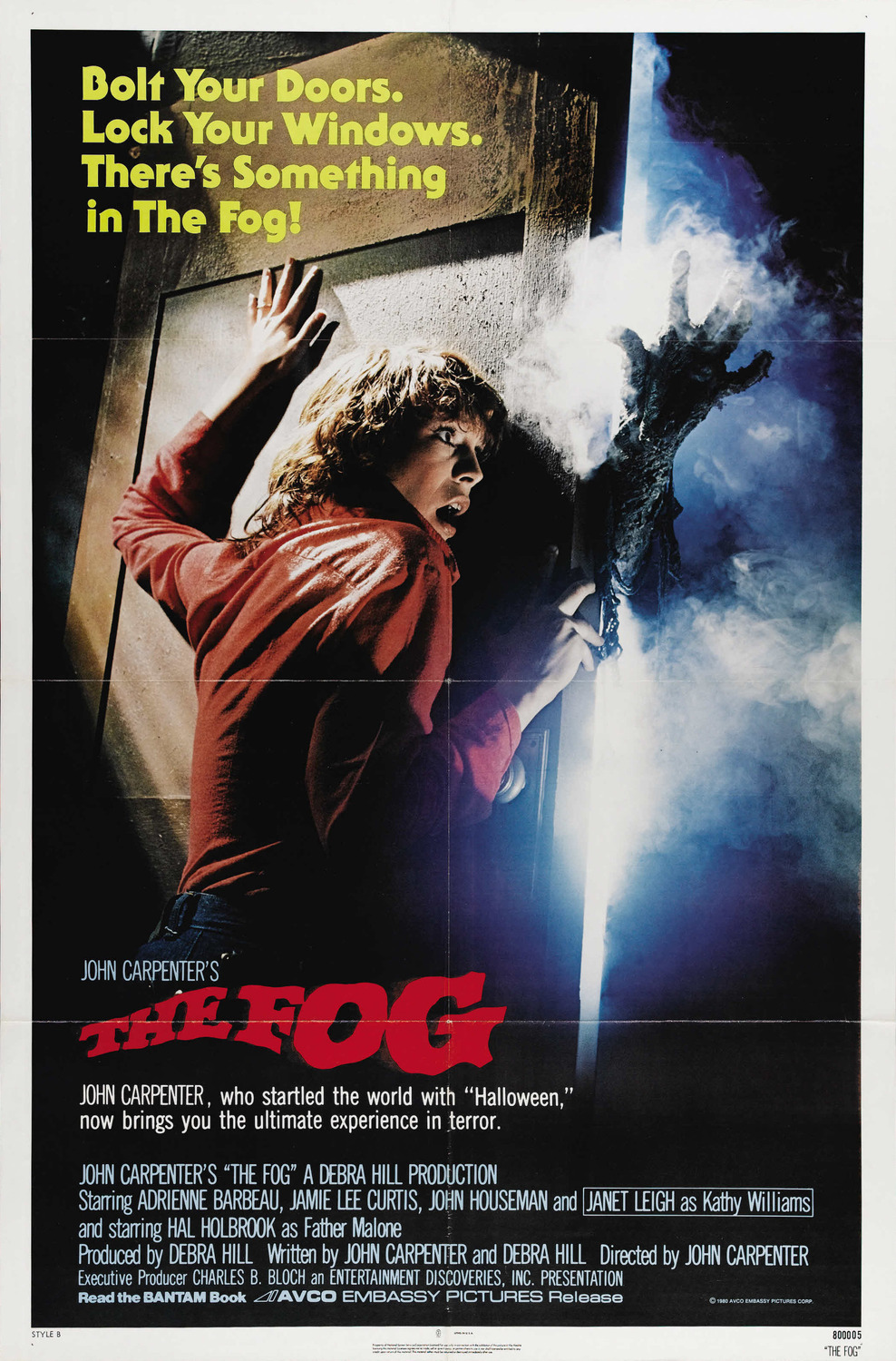
Father Malone faces a terrible problem in The Fog. His town is preparing to honor its founders, and he just learned what they did. One of them was his grandfather. Worse, the church where he serves owes its existence to their crime. Hal Holbrook plays him as a man who can barely bring himself to read the next page of the journal, although he knows he has to.
Antonio Bay wants to celebrate a hundred years of history. Kathy Williams, played by Janet Leigh, has a ceremony to organize, and the town has every reason to expect a pleasant evening. Carpenter gives these preparations enough attention that we can feel the irritation when something goes wrong. People have put work into this occasion. Then Malone turns up with a story that makes the whole celebration embarrassing.
His grandfather and five other men deliberately wrecked the Elizabeth Dane. Blake, the wealthy man aboard, had leprosy and wanted to establish a colony nearby. The conspirators used a false light to draw the ship onto the rocks, then took the gold to help build Antonio Bay. They feared the people coming ashore but welcomed their money once they had killed them.
The anniversary makes this such a good premise. The crime hasn’t simply survived in an old document. The town is about to praise the men who committed it. Carpenter and co-writer Debra Hill put us in the uncomfortable position of watching a community congratulate itself while we know something that makes its pride hard to share. Kathy doesn’t become a villain because she wants the ceremony to go ahead. She has been working with the history she knows, and Malone has discovered that it leaves out the people who paid for everything.
Holbrook does a lot for the film here. The diary gives him pages of explanation to deliver, but his discomfort keeps them from sounding like a lecture. He looks ashamed. No comfortable distance separates this priest from the men he reads about. He carries his grandfather’s name and works in the building that benefited from the robbery. Even before the ghosts reach him, the discovery has made his place in Antonio Bay harder to bear.
Then there is the gold cross. Some of the stolen wealth went into the town, while the rest took the shape of a religious object and remained inside the church walls. It’s an ugly thing to discover in a place where people expect sanctuary. When Malone eventually carries it out to Blake, he has to hold the evidence in his own hands.
I like how Carpenter makes this history physical. The money still exists. People can touch it and try to return it. A century has done nothing to make the original theft less useful to the people who came after it. Antonio Bay has had time to grow around that money and teach its residents a flattering story about where they live. Nobody attending the centennial sank the ship, but they have inherited a town that the robbery helped establish.
That is enough to make the celebration uncomfortable without pretending that every resident deserves to die. In fact, the ghosts’ choice of victims makes me resist that reading. They kill a babysitter and threaten a child. I understand why Blake wants revenge, yet I still want someone to get Stevie Wayne’s son out of the house. Learning about the shipwreck changes how we see the attackers; it doesn’t make their new victims expendable.
Stevie gives the film some of its warmth. Adrienne Barbeau’s voice travels through Antonio Bay from her radio station in the lighthouse, reaching people who have no idea what is approaching them. At first, she has the easy manner of someone keeping listeners company through the night. As the danger grows, her broadcasts become more urgent. She can see the fog moving toward her home, but she cannot leave the station to reach her son.
That helplessness makes the sequence work. She has to ask strangers for help and hope somebody hears her. Meanwhile, the people driving through town depend on her directions. Barbeau makes Stevie sound frightened without losing the sense that she is trying to keep everyone moving. The radio gives Carpenter a way to connect characters who would otherwise spend much of the film alone.
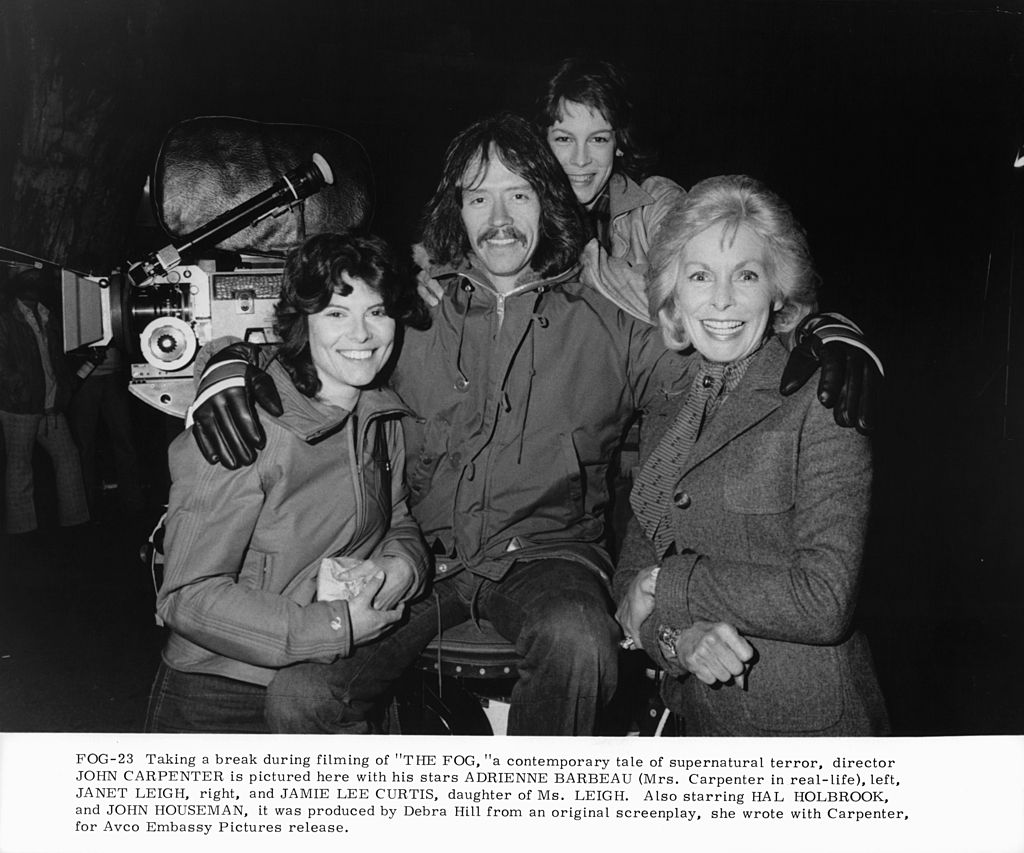
It also brings the lighthouse into the story in a way I find satisfying. A false beacon helped the founders kill the passengers of the Elizabeth Dane. Now someone in a lighthouse is doing her best to guide people away from danger. Carpenter lets that echo sit within the action. Stevie has a child to save and streets to watch; she doesn’t have to explain the connection for us.
Much of The Fog works through that combination of a simple situation and a strong image. Dean Cundey gives Carpenter wide stretches of coast and darkness where almost nothing happens, until we look closely. The fog’s glow makes it beautiful to watch even as it hides the way out. A figure appears inside it, or a knock comes at a door, and the scene suddenly has somewhere terrible to go. Carpenter takes his time getting there.
The story doesn’t always give its characters enough to do. Nick and Elizabeth spend a fair amount of it finding things and carrying information between locations. Their scenes move the plot along, but Malone and Stevie have much more at stake emotionally. His shame and her fear for her son keep the film from relying entirely on another ghost’s appearance.
Malone finally offers Blake the gold cross, and for a moment, returning the money seems to end the killing. The fog clears. The others get away. Then Blake returns to the church and kills the priest.
It’s an effective last scare, although I find Malone’s position more troubling than the surprise itself. He told people what happened and tried to return the gold. He didn’t arrange the wreck. The men who did have long since died, while their town has spent the evening honoring them. Malone has to face Blake.
The film leaves him holding a responsibility he never asked for. He can acknowledge the murder and return what remains of the stolen money, but he cannot undo what his grandfather helped do. That seems worth staying with, even after the final shock: a man standing in his church with somebody else’s gold, trying to work out what he owes.